Diversity beyond the beaches in the Dominican Republic
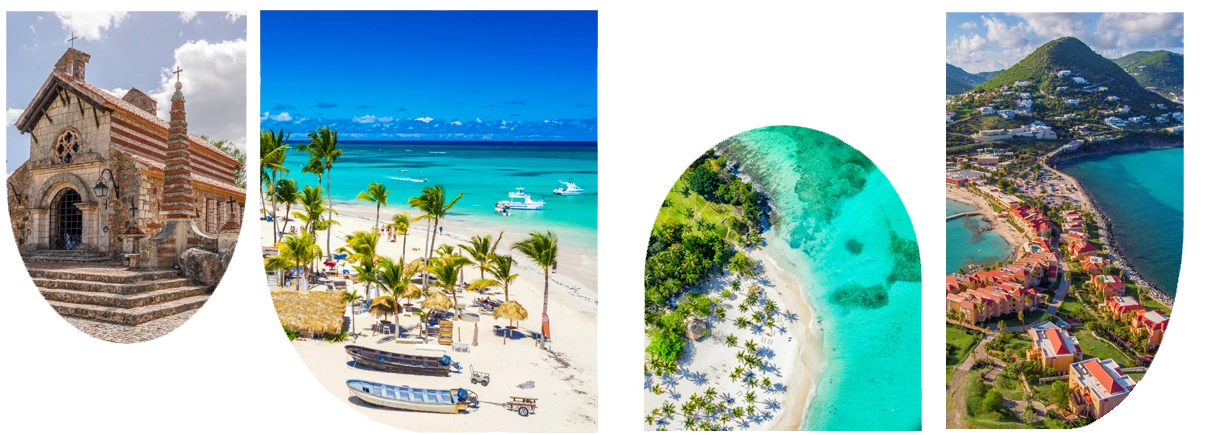
Navigating the diverse regions and destinations
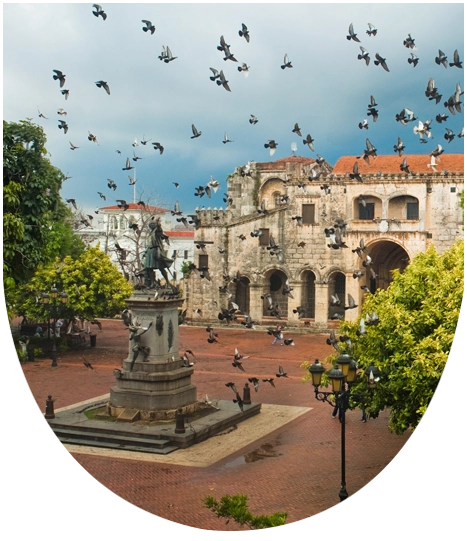
Immersing in local culture and traditions

Rhythms of merengue and bachata
Music permeates daily life, with UNESCO-recognized Merengue and the soulful beats of Bachata echoing from corner stores to dance halls across the island.

Carnival and folklore festivals
Every February, streets explode with color as masked characters like the Limping Devil parade through cities to celebrate independence with vibrant costumes.

Culinary heritage and flavors
Traditional cuisine blends Taino, Spanish, and African influences, visible in dishes like Sancocho stew or the staple lunch known as La Bandera.

Passion for professional baseball
Stadiums roar with energy during the winter season, where local teams compete fiercely, reflecting the sport’s deep-rooted significance in national identity.
Understanding entry formalities and documents
01
Digital e-ticket registration
Travelers must complete the electronic entry and exit form via the dedicated portal before their flight.
02
Passport validity requirements
Identification documents must remain valid for the entire duration of the stay, checked strictly at borders.
03
Customs and prohibited items
Declarations regarding currency limits and agricultural products protect the local ecosystem.


Internal mobility guide
Transportation options and getting around
Mobility varies significantly depending on the region, with infrastructure ranging from modern highways connecting major cities to rugged trails requiring specific vehicles. Understanding the local transit network creates opportunities for independent exploration beyond the hotel zones.
Intercity bus networks
Reliable coach services link principal destinations like Santiago and La Romana with comfort and scheduled efficiency.
Domestic air travel
Small charter flights connect distant peninsulas quickly, saving hours of driving time for travelers with tight itineraries.
Local guaguas and motoconchos
Informal transit systems provide affordable short-distance travel, offering a genuine immersion into the daily rhythm of residents.
Car rental considerations
Driving offers autonomy to reach secluded beaches, though navigating erratic local traffic requires vigilance and defensive driving.
Selecting accommodation and types of stays
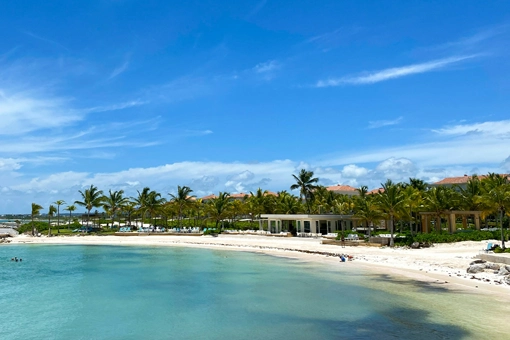
All-Inclusive coastal resorts
Large complexes in Punta Cana provide hassle-free vacations with extensive amenities, entertainment, and direct beach access for families.
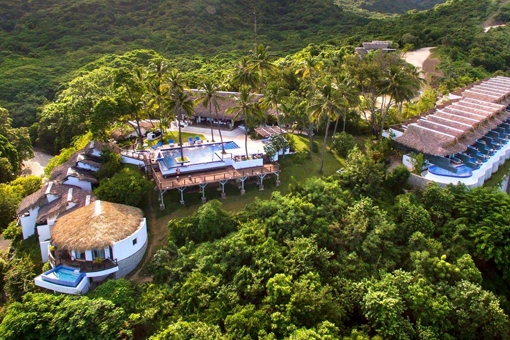
Eco-lodges and nature retreats
Sustainable accommodations in Samaná or Barahona focus on low-impact tourism, connecting guests directly with surrounding flora and fauna.
Boutique colonial hotels
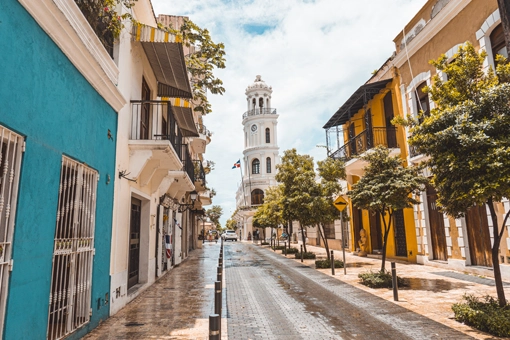
Restored historic mansions in Santo Domingo offer intimate atmospheres, combining old-world architecture with modern comforts and personalized service.
Climate patterns and best times to visit
Dry winter season benefits
From December to April, lower humidity and cooler evenings attract the majority of international visitors seeking reliable sunshine.
Summer heat and humidity
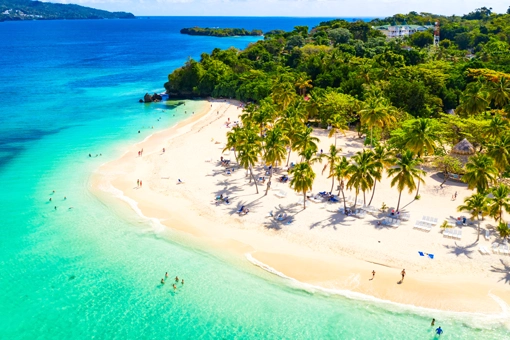
May through August brings higher temperatures and vibrant vegetation, perfect for those who enjoy warm waters and fewer crowds.

Hurricane season awareness
Late summer and autumn require monitoring weather forecasts, although major storms are infrequent, rain showers become more common.